
A Stand Against Injustice
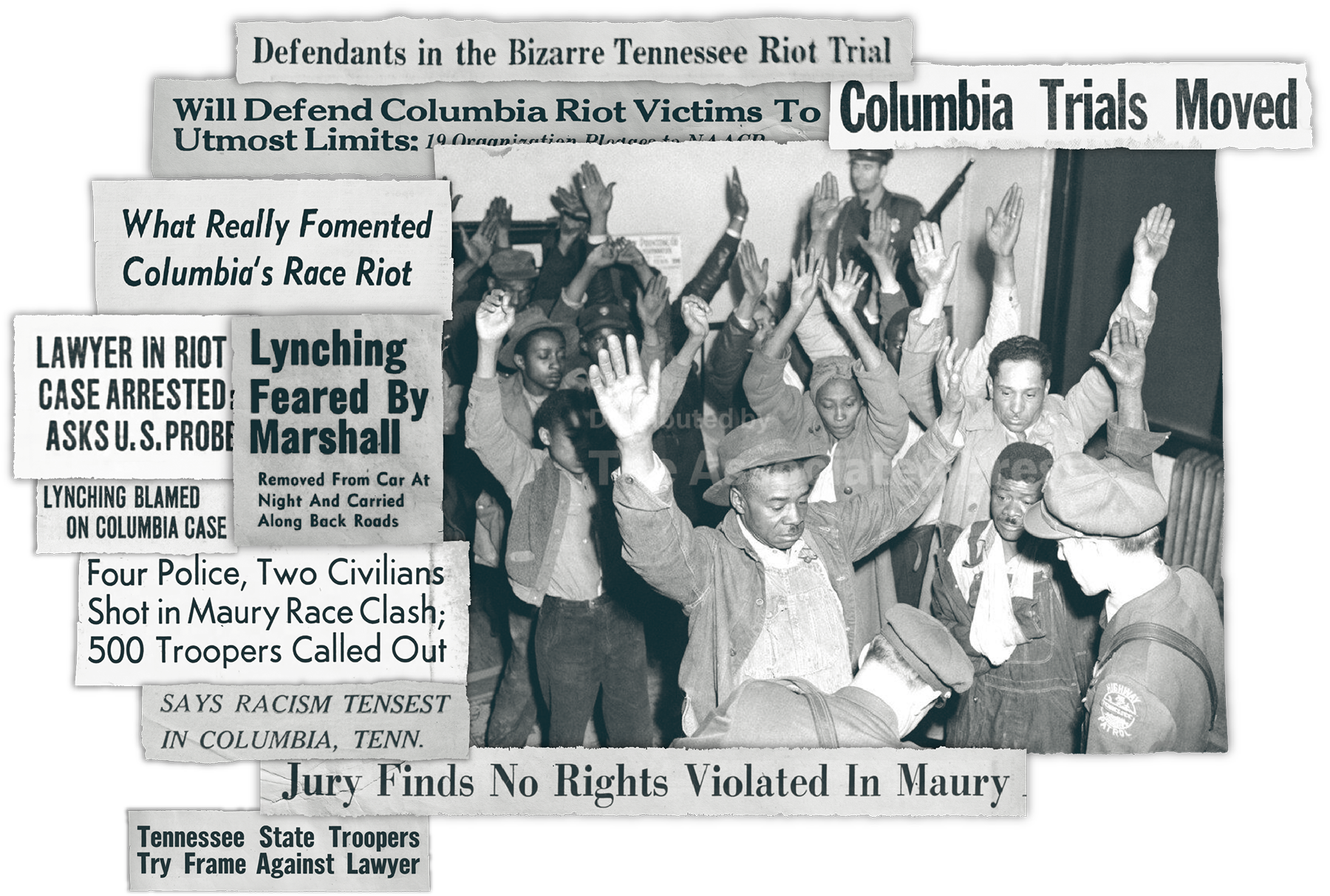
In February 1946, Columbia, Tenn., faced a reckoning. What happened was not a riot. It was resistance. The events reshaped the city and helped ignite the Civil Rights Movement. Yet for nearly 80 years, this history remained largely untold.
How It Began
In the months after World War II, tensions over race and justice were rising across the United States. Black veterans were returning home determined to claim the freedoms they had defended overseas, while systems of segregation and racial control remained firmly in place across the South.
In February 1946, those tensions came to a head in Columbia. After an altercation at the Castner Knott department store led to the arrest of a Black Navy veteran and his mother, fears of a lynching spread through the city’s Black community. Armed residents gathered to protect their neighborhood. That night, state highway patrol officers raided Columbia’s Black business district, leaving parts of it in ruins and leading to more than 100 arrests. The trials that followed drew national attention and became an early chapter in the struggle for civil rights in America.
The People Behind the Moment
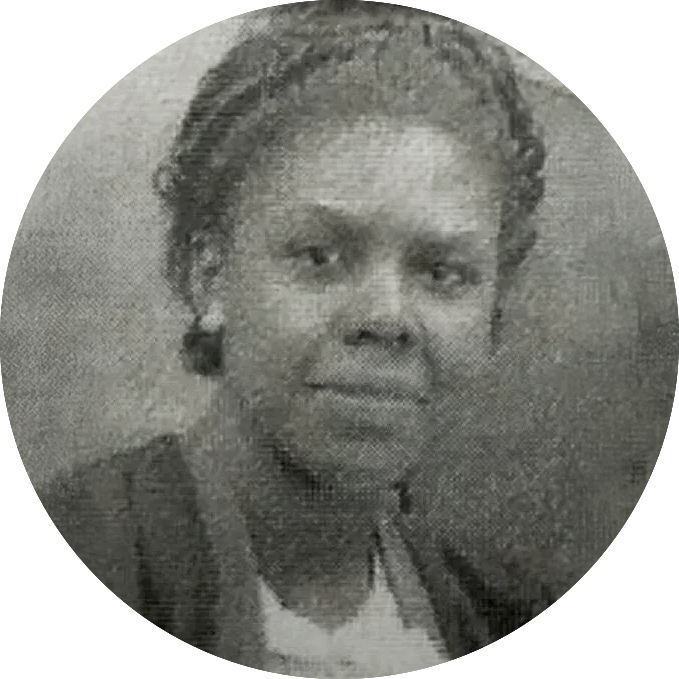
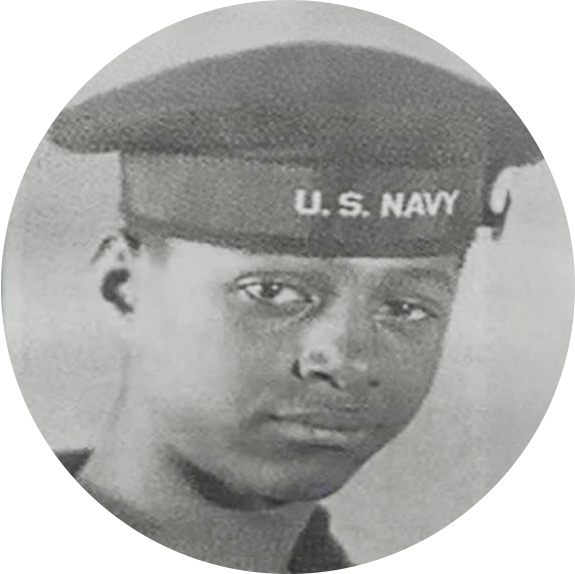
What unfolded in Columbia began with three individuals: James Stephenson, a young Black Navy veteran recently returned from service; his mother, Gladys Stephenson; and Billy Fleming, a clerk at the Castner Knott department store.
However, residents, attorneys, journalists, law enforcement officers, and state officials all became part of what came next. Some stood at the center of the confrontation. Others became part of the raids, arrests, and courtroom battles that followed.
Thurgood Marshall in Columbia
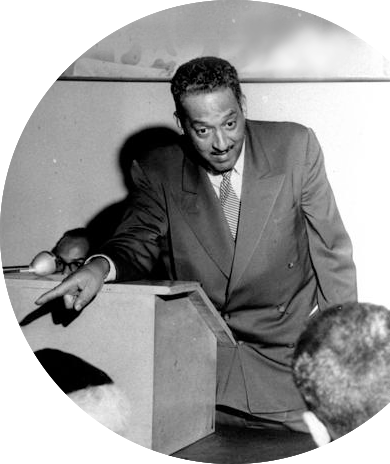
In 1946, NAACP attorney Thurgood Marshall traveled to Columbia to help defend Black residents charged after the February arrests. During his time in the city, Marshall himself narrowly escaped a lynching—an experience he later said left him more frightened than any moment in his life.
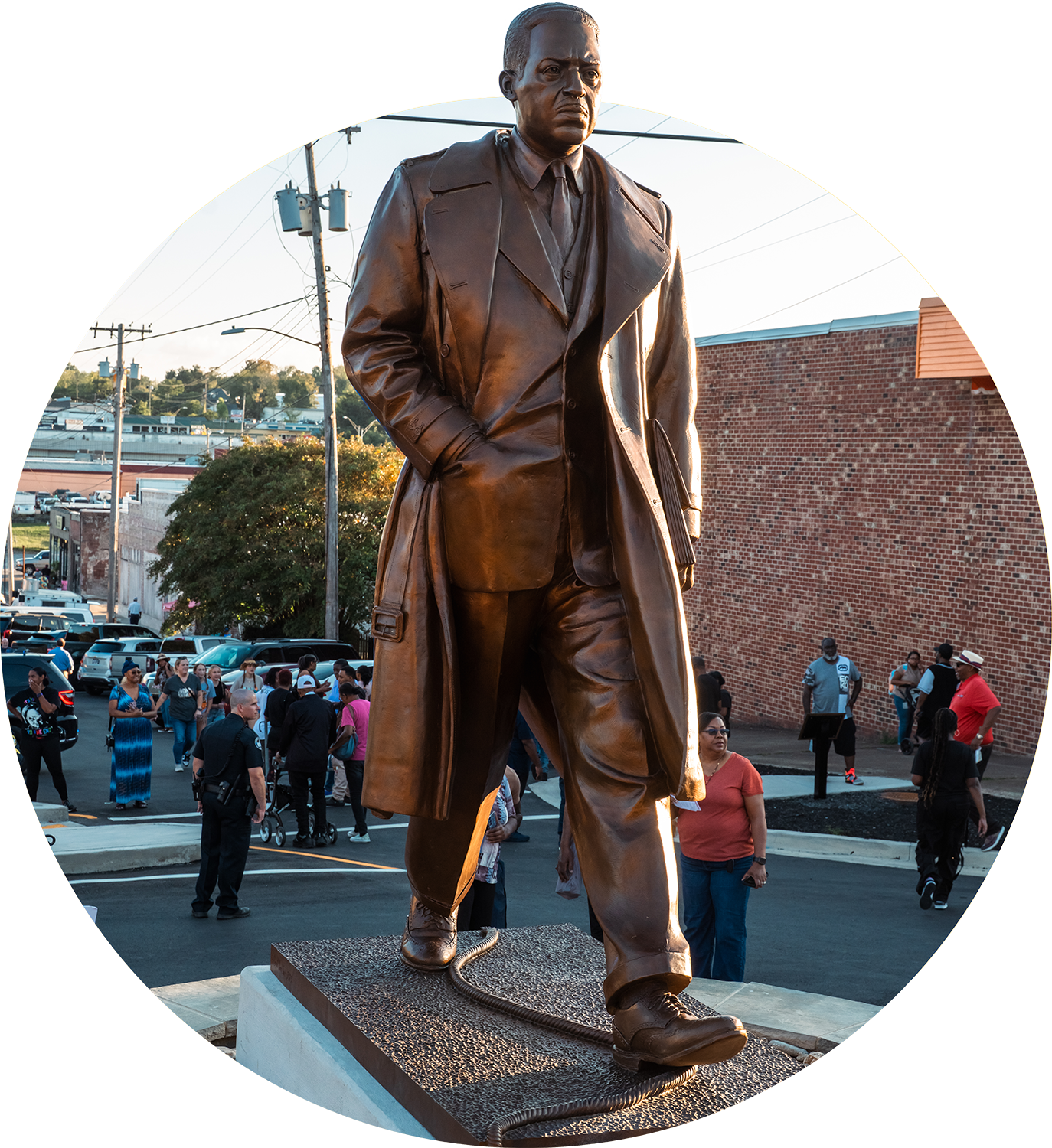
Thurgood Marshall in Columbia
In 1946, NAACP attorney Thurgood Marshall traveled to Columbia to help defend Black residents charged after the February arrests. During his time in the city, Marshall himself narrowly escaped a lynching—an experience he later said left him more frightened than any moment in his life.
Explore the Record
Newspaper coverage, archival footage, and historical research help bring the history of 1946 into sharper focus. These materials offer additional context and perspectives for those who want to explore further.
Newspaper Articles
Contemporary reporting and later coverage documenting the events in Columbia and the trials that followed.
View the Archives →
Videos
Interviews, historical footage, and documentary materials exploring the history and legacy of 1946.
Watch the Videos →
Additional Reading
Books, research, and other publications offering deeper analysis of the events and their place in the Civil Rights Movement.
Explore the Materials →