
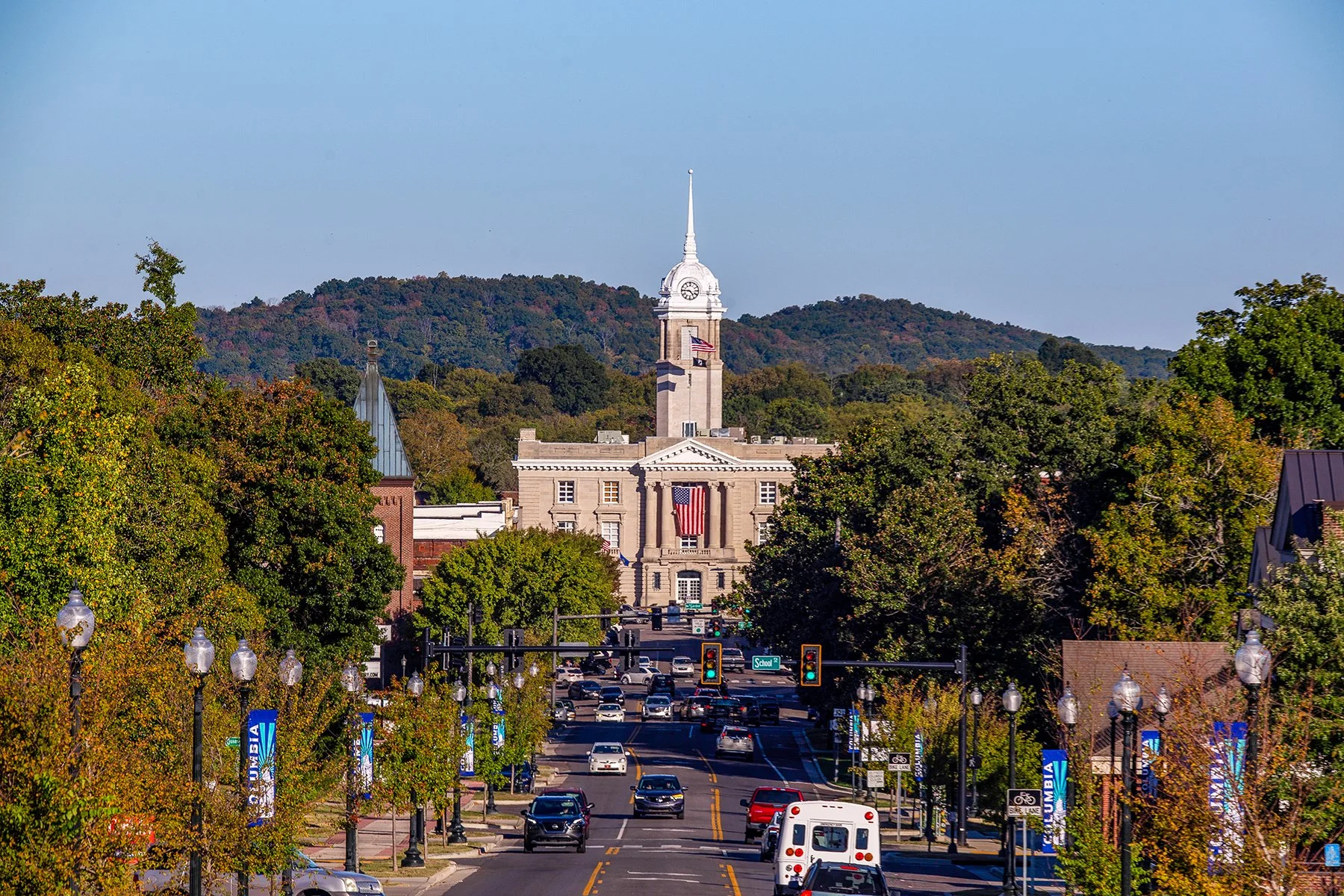
The Impact on Columbia
The events of 1946 altered relationships within Columbia, damaged the heart of its Black business community and left a history the city would struggle for generations to fully confront.
The uprising marked a turning point in the relationship between Black and white Columbians.
Before 1946, racial customs and the threat of violence helped enforce an unequal social order. Black residents understood the risks of challenging that system, particularly in a community where earlier lynchings had gone unpunished.
The response in 1946 disrupted those expectations. Black business leaders and veterans made clear that they would protect members of their community and would not quietly accept the threat of another lynching.
Historian Gail Williams O’Brien argues in The Color of the Law: Race, Violence, and Justice in the Post-World War II South that the decision of Black business leaders to defend James Stephenson changed how they were viewed by white residents and contributed to changes in their everyday treatment.
Years later, Saul Blair described the difference in practical terms. Before 1946, he said, a Black customer entering an uptown store might be ignored until he began to leave. Afterward, white clerks were far more attentive.
The change did not erase segregation or racial inequality. But it showed that something important had shifted: Black Columbians had demonstrated that they would no longer accept the same assumptions about their place in the community.
“There won’t be no more trouble. . . That’s the one thing I learned from 1946. They now know Negroes have guts. The Blairs and Mortons was the first Columbia Negroes ever to stand up like men. Blood was shed, but it paid off. I dare say times has changed.
A colored man used to not have the chance of a sheep-killing dog. But 1946 changed that.”
—Henry Clay Harlan, grandfather of lynching victim Henry Choate, reflecting on the events of 1946 years later
The Loss Along East Eighth Street
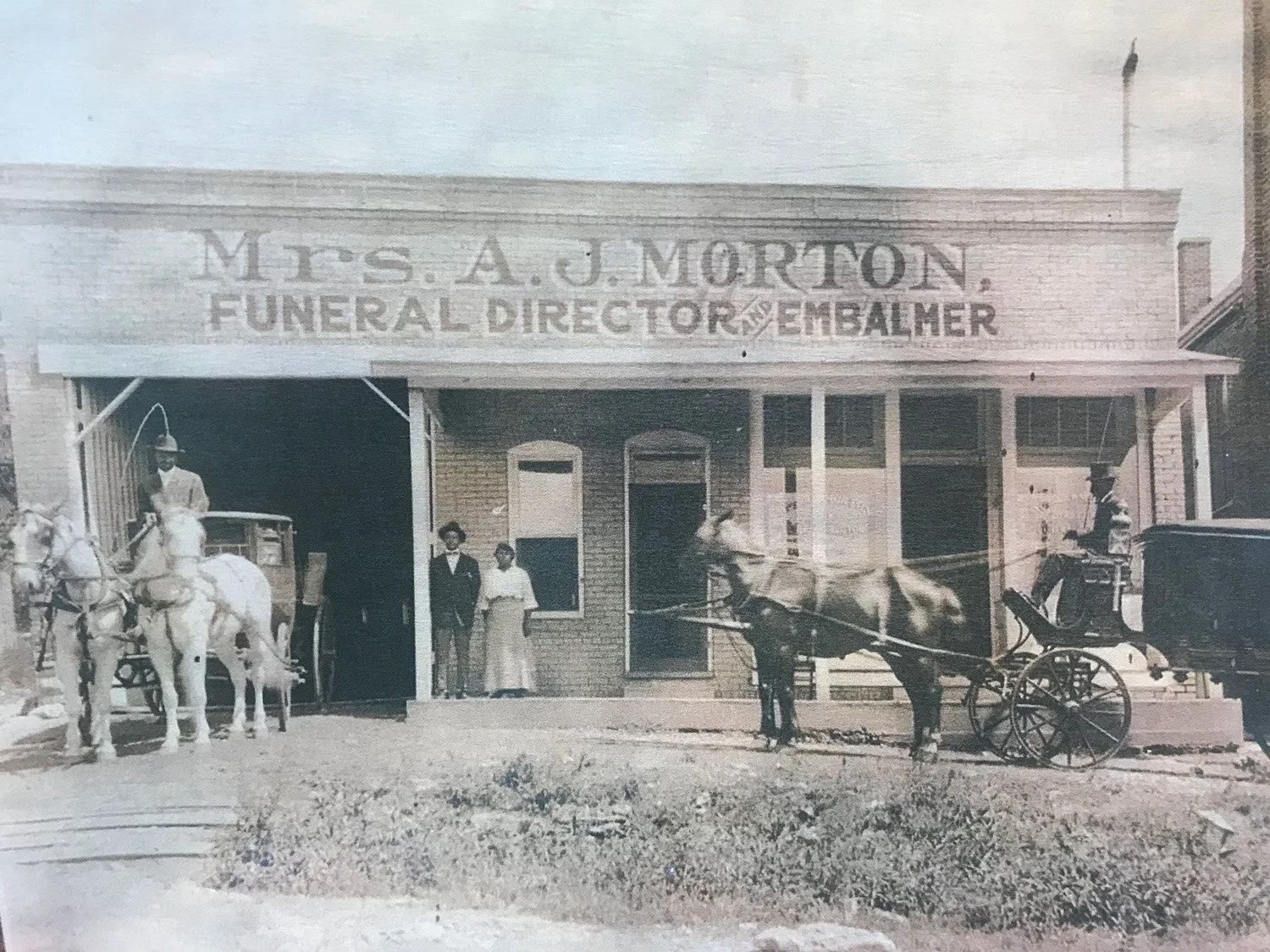
The change came at a tremendous cost. The raid caused extensive damage to the Black business district along East Eighth Street and the surrounding blocks. Morton Funeral Home, Julius Blair’s businesses, Saul Blair’s barbershop and other properties were entered, damaged and, in some cases, looted.
Testimony describes broken windows and mirrors, damaged furniture and equipment, bullet holes, destroyed merchandise and missing personal property. James Morton estimated that thousands of dollars would be needed to restore his funeral home. Saul Blair returned from jail to find his barbershop badly damaged, with mirrors broken, chairs cut and shot, and equipment missing.
The loss was greater than the physical damage alone. East Eighth Street had been built through years of Black entrepreneurship in a segregated city. Its businesses provided employment, services, gathering places and a degree of independence for people who were excluded from many white institutions.
The raid struck at that network of community life. It damaged places where people earned a living, cared for one another, shared information and built relationships. The effects reached beyond the owners of individual businesses to the larger community that depended on them.
A Story Columbia Did Not Tell
For all of its national significance, the story of 1946 became remarkably difficult to see in Columbia itself.
For decades, there was little public recognition of what had happened along East Eighth Street. The history was not widely marked or discussed, and many residents—including people who had spent their entire lives in Columbia—grew up knowing little or nothing about it.
A pattern of shame, guilt and avoidance led the community to “bury the history” and “forget the story.” Until relatively recently, there were no historical markers identifying the significance of events that had taken place only a block from the town square.
That silence became part of the legacy of 1946. When a community does not tell an important part of its history, the consequences extend beyond what is forgotten. People can disappear from public memory. Places lose their meaning. Later generations inherit a community without fully understanding the events that helped shape it.
Remembering 1946 Differently
Today, Columbia has an opportunity to engage with this history in a different way.
Remembering 1946 means acknowledging the violence and destruction that occurred, while also recognizing the courage, leadership and determination of Black Columbians who protected one another and demanded different treatment.
It means understanding East Eighth Street not simply as the site of a raid, but as a community built by Black residents. It means remembering the people whose lives were changed or uprooted, including James and Gladys Stephenson, who never returned to make Columbia home again. And it means recognizing that a story once largely absent from the city’s public memory is an essential part of Columbia’s identity.
Recognizing 1946 in the Heart of Columbia
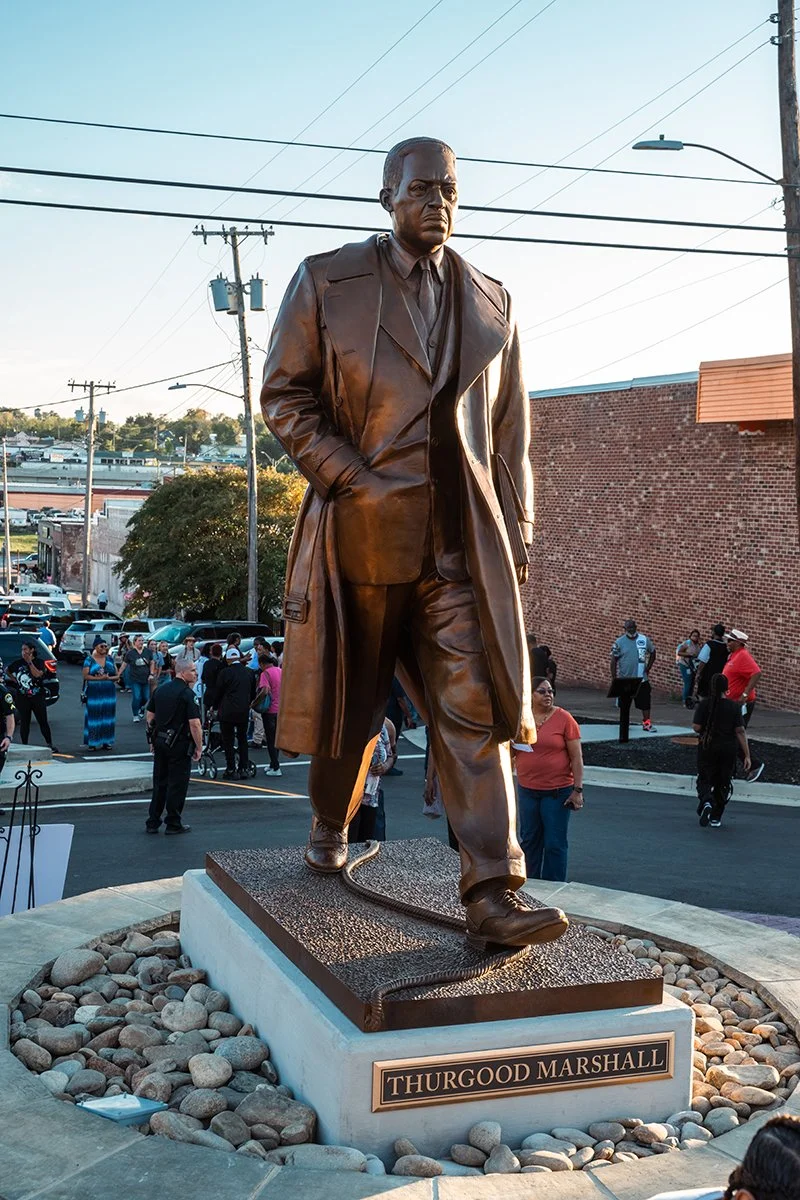
At the intersection of South Main Street and East Eighth Street, the Thurgood Marshall roundabout and monument bring the history of 1946 into public view. Located at the gateway to Columbia’s historic Black business district, the monument honors Marshall’s role in defending the Black men charged after the uprising while creating a visible connection to the people, places and events that shaped this history.
Developed by CPJI in partnership with the City of Columbia, the monument has been completed and dedicated as part of a broader effort to ensure that the story of 1946 is remembered where it happened—and carried forward for future generations.