Impact on the Civil Rights Movement
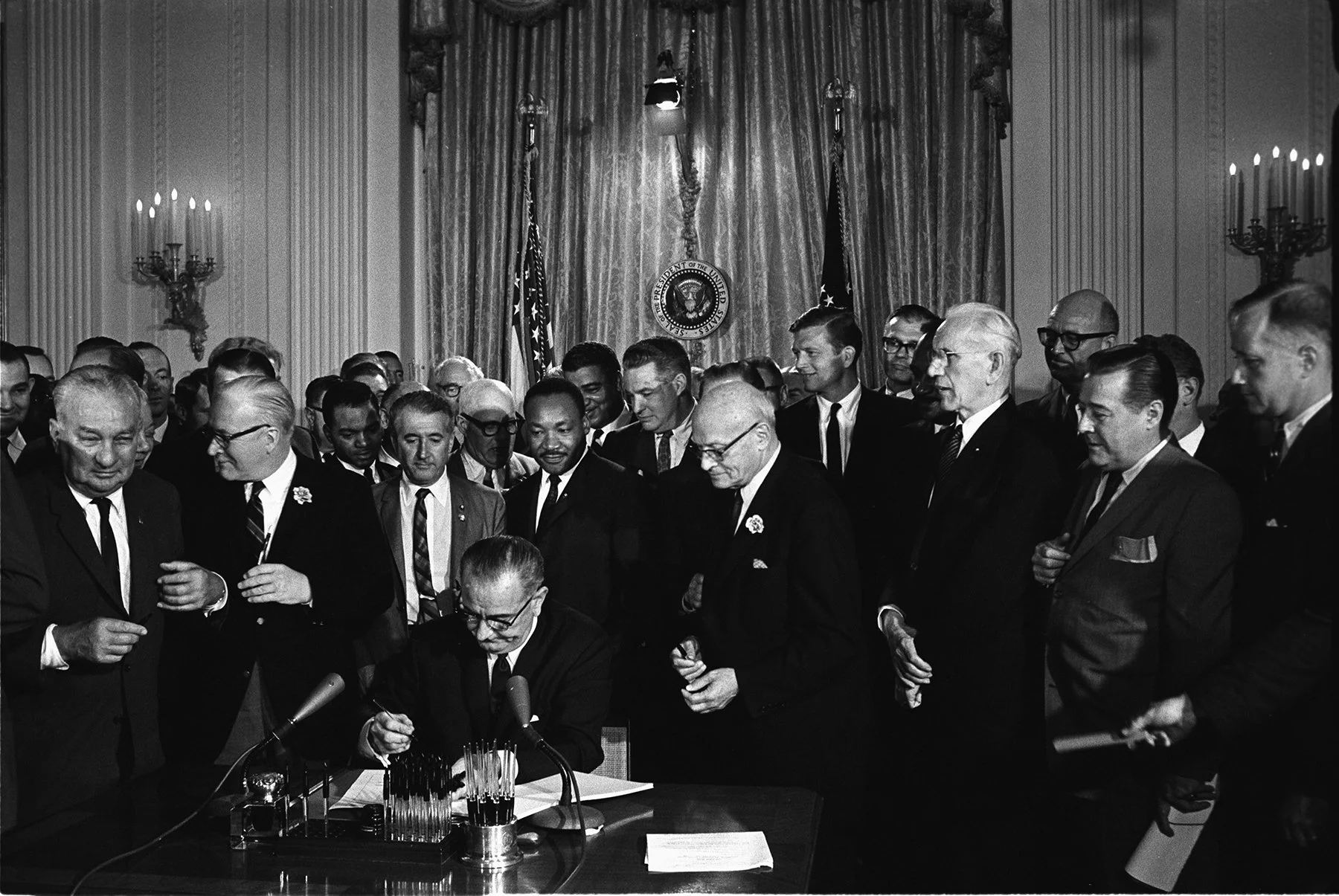
Lyndon Johnson signing Civil Rights Act, July 2, 1964
The events of 1946 helped bring national attention to racial violence, unequal justice and the need for stronger federal protections years before the Civil Rights Movement reached its most widely recognized milestones.
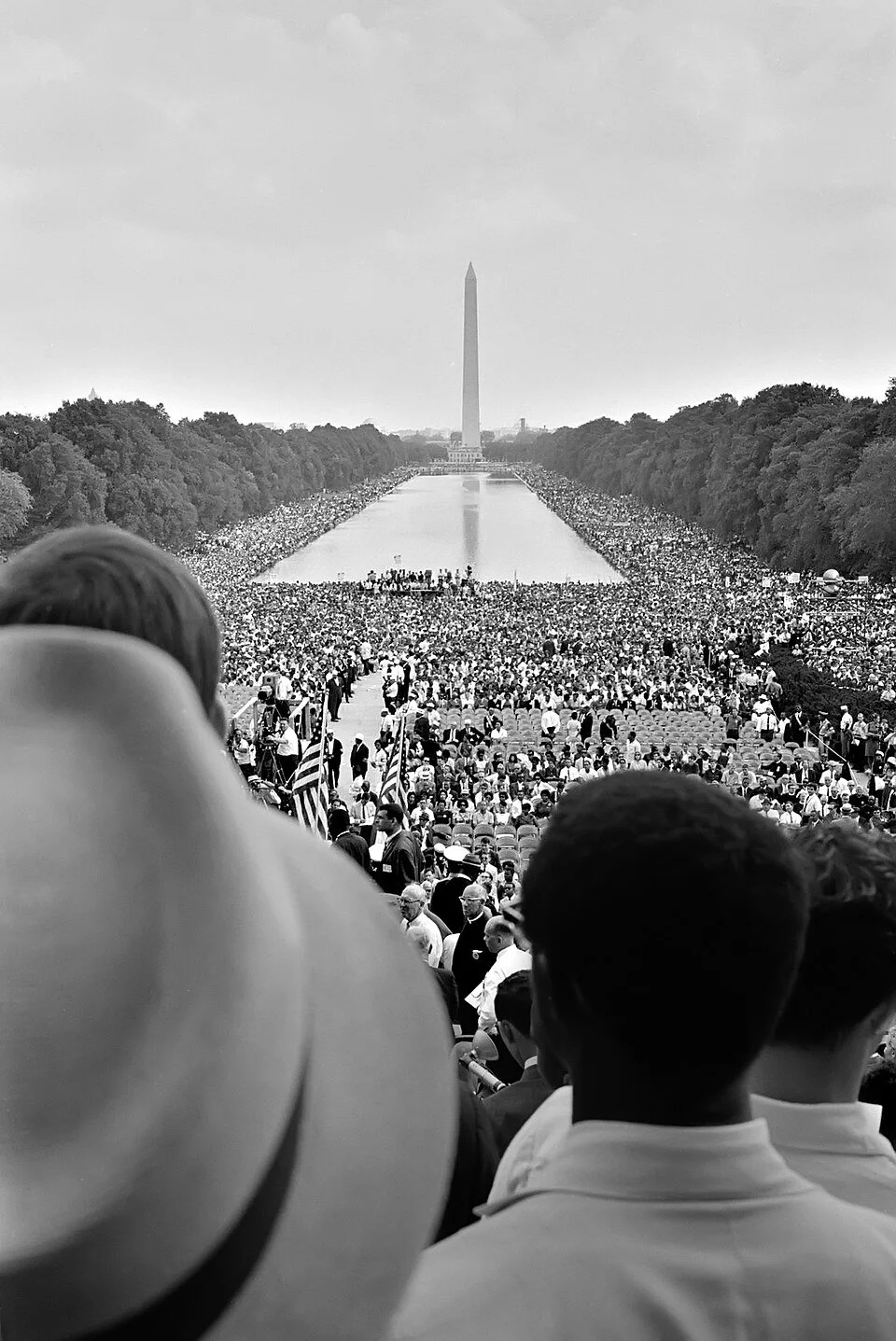
The modern Civil Rights Movement is often associated with the landmark events of the 1950s and 1960s: Brown v. Board of Education, the Montgomery Bus Boycott, the March on Washington and the passage of the Civil Rights Act and Voting Rights Act.
But those victories did not emerge suddenly. They grew from years of organizing, resistance and legal challenges across the country, including a critical period immediately following World War II.
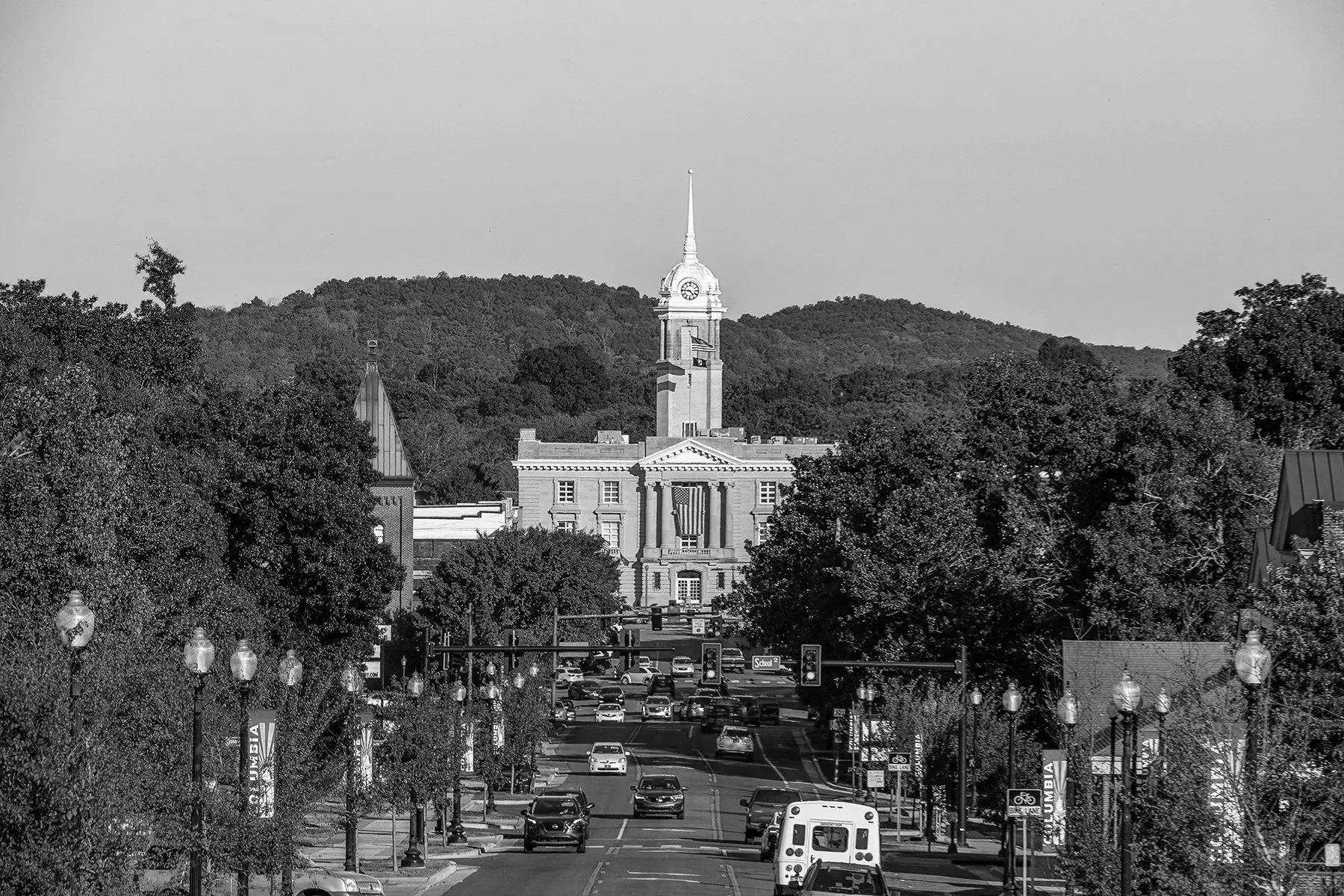
Columbia was part of that earlier struggle.
From Columbia to a National Cause
National Committee for Justice in Columbia, Tennessee
The events of 1946 quickly reached far beyond Maury County. National newspapers reported on the violence, arrests and trials, while the NAACP brought Columbia into its broader fight against racial violence and unequal justice.
Some of the country’s leading civil rights figures became involved, including Thurgood Marshall, Z. Alexander Looby, Maurice Weaver and Walter White. The NAACP also helped organize the National Committee for Justice in Columbia, Tennessee, with former First Lady Eleanor Roosevelt and civil rights leader Channing Tobias serving as co-chairs.
Through legal advocacy, organizing and national attention, Columbia became more than a local case. It became part of a growing demand that the rights of Black Americans could not depend solely on whether local officials chose to protect them.
“The Columbia incident and the reaction to it, were major events of the late 1940s, which helped create a base from which black organizations gathered strength for the civil rights push of the 1950s and 1960s.”
-Historian Dorothy Beeler
Building Pressure for Federal Action
The events in Columbia were among several episodes of racial violence in 1946 that prompted President Harry S. Truman to take federal action on civil rights. In December of that year, Truman issued Executive Order 9808, establishing the President’s Committee on Civil Rights to examine how the federal government could better protect Americans from racial violence and discrimination.
In 1947, the committee released its landmark report, To Secure These Rights, calling for sweeping reforms, including federal protections against lynching, elimination of poll taxes, fair employment practices and stronger federal civil rights enforcement.
The report helped lay the groundwork for a broader national civil rights agenda. In 1948, Truman took further action, issuing executive orders prohibiting discrimination in federal employment and establishing equality of treatment and opportunity in the U.S. armed forces. These actions marked important early steps in the modern Civil Rights Movement.
Helping Lay the Groundwork
The significance of Columbia is not simply that it happened before the better-known milestones of the Civil Rights Movement.
It showed many of the forces that would become central to the movement in the years ahead: organized Black resistance, the leadership of returning veterans, national civil rights advocacy, legal challenges to unequal treatment and growing pressure on the federal government to act.
Historian Dorothy Beeler later described the Columbia events and the response to them as important developments of the late 1940s that helped create a base from which Black organizations gained strength for the civil rights campaigns of the 1950s and 1960s.
Years before the Montgomery Bus Boycott or the March on Washington, the struggle that would define the modern Civil Rights Movement was already taking hold.
Columbia was part of that beginning.
Explore more
Learn how the uprising changed Columbia and how Thurgood Marshall’s work in Columbia became part of his larger fight for equal justice.