
The People of 1946
The events of 1946 were shaped by Black residents who defended their community, law-enforcement officials who directed the state’s response, attorneys who fought over the meaning of justice and others whose decisions changed the course of what happened.
Community Members
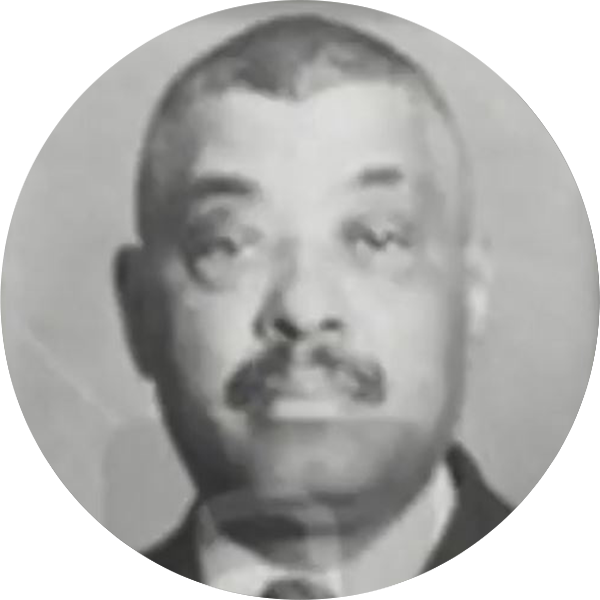


Attorneys and Civil Rights Leaders


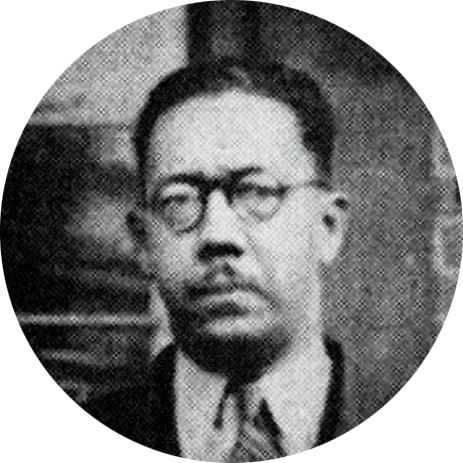

Law Enforcement and Government Officials


James Bellanfant
William Bills
Julius Blair
Saul Blair
Clarence Brown
Clifford Edwards
Luther Edwards
William Dawson
Robert Gentry
The Defendants
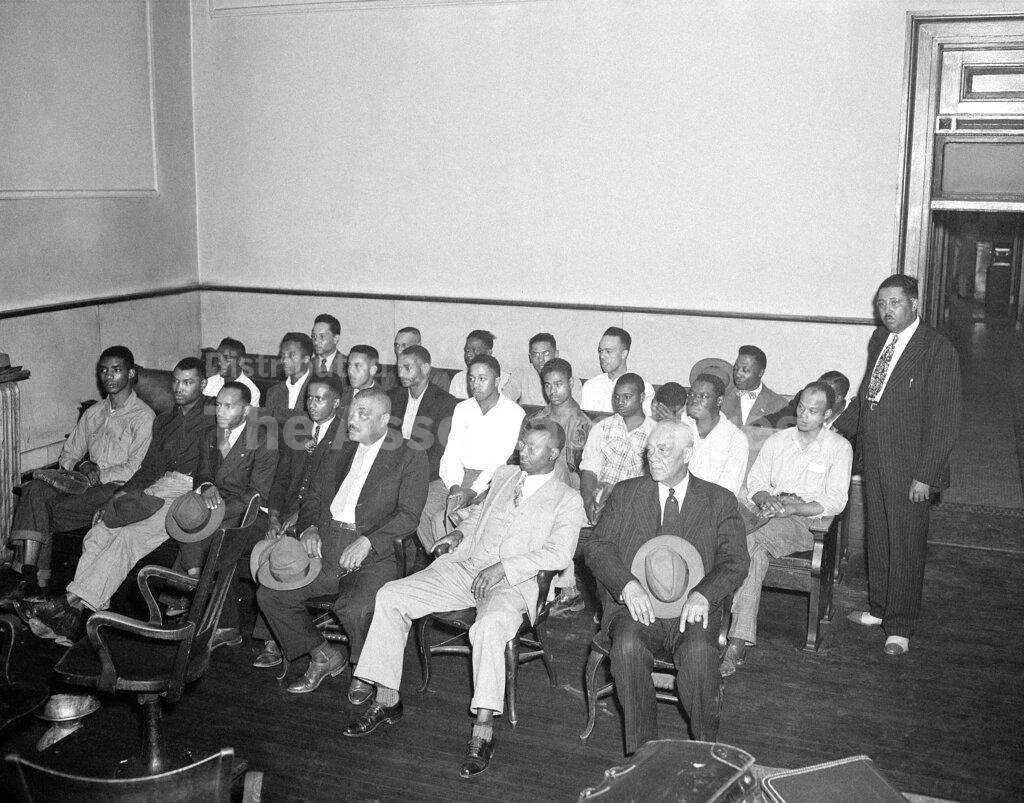
Twenty-five Black men were brought to trial in Lawrenceburg, Tennessee, following the events of February 1946. They included business owners, laborers, veterans, ministers and other members of Columbia’s Black community.
The prosecution sought to hold them collectively responsible for the shooting of police officers, even though the evidence against individual defendants varied widely.
Horace Gordon
Lewis Miles
Paul Miles
James Morton
Meade Johnson
Milton Johnson
Calvin Lockridge
John Lockridge
Raymond Lockridge
Webster Matthews
John McKivens
Willie Pigg
Early Scott
Charley Smith
Napoleon Stewart
Gene Williams
Two men—Robert Gentry and John McKivens—were found guilty, but a judge later granted them new trials. Due to lack of evidence, the charges were eventually dropped.
Lloyd “Papa” Kennedy and William Pillow were tried separately in Columbia later that year. Pillow was acquitted, while Kennedy received a reduced sentence that allowed him to go free on bail.
Tommie Baxter died before trial. Two others, William Gordon and James Johnson, were killed while in police custody.