THE STORY OF
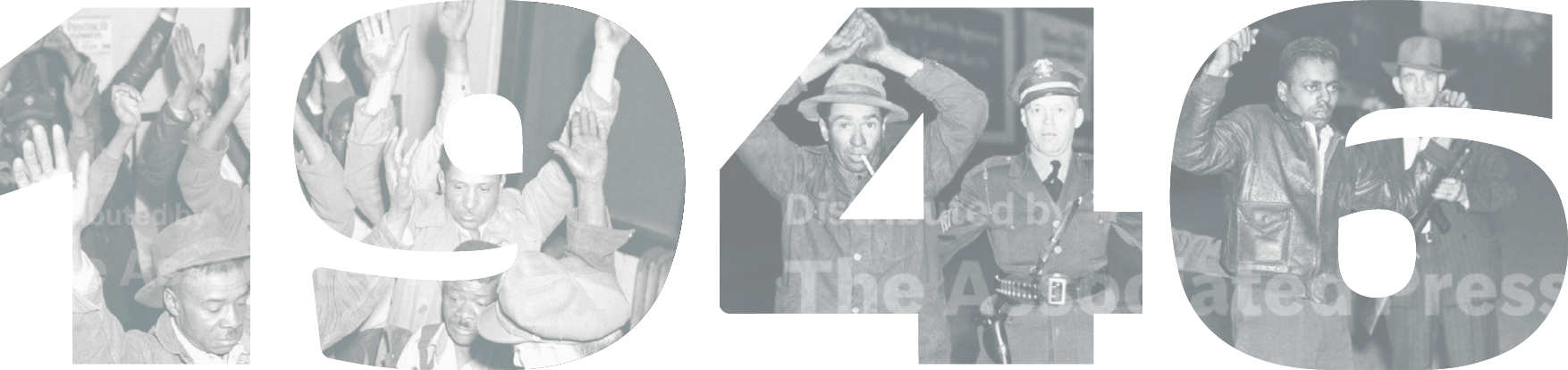
How Columbia’s Black community resisted the threat of another lynching, endured a destructive police raid and helped lay the groundwork for the modern Civil Rights Movement.
How the Story Unfolded: The Incident at Castner-Knott | The Response | The Raid | Police Custody and Trial
The Incident at Castner-Knott
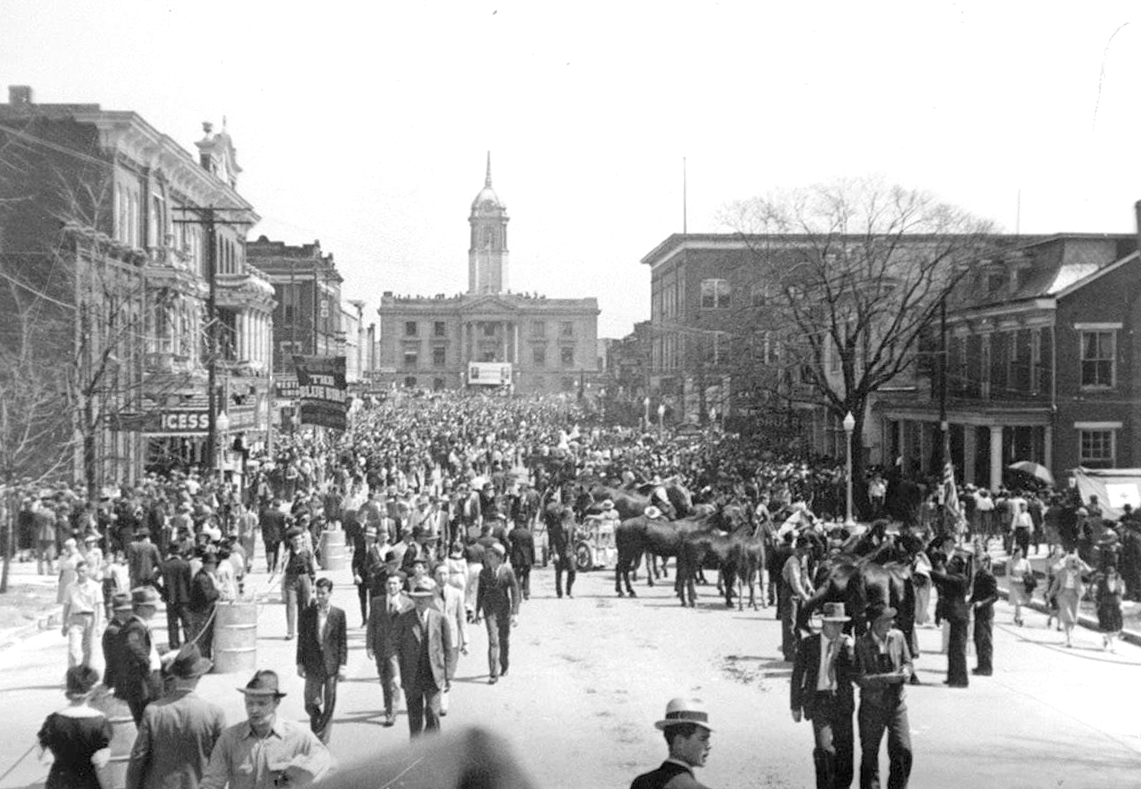
Castner-Knott Home Store in Columbia, Tenn., 1948
Photo Courtesy Tennessee State Library & Archives.
Why “Race Riot” is Misleading
Historically, the events of 1946 have been known as the Columbia “race riot” which implicated Black residents, but the majority of the rioting on February 26, 1946 was done by members of law enforcement and others.
On the morning of February 25, 1946, James Stephenson accompanied his mother, Gladys, to the Castner-Knott department store on Columbia’s town square. James, a young Black Navy veteran, had recently returned home after serving during World War II.
Gladys had left a radio at the store for repair. When she returned to retrieve it, she learned that the radio had been sold to another customer and later recovered. A disagreement followed over its condition and the cost of the repair.
As they turned to leave, Billy Fleming ran down the stairs and punched James Stephenson in the back of the head for "looking at him in a threatening manner." James Stephenson, who was a welterweight boxer in the Navy, turned around and threw a series of punches at Fleming, knocking him through the plate glass window onto Columbia Square.
White men nearby joined the altercation and attacked James. Gladys was also struck as she tried to protect her son. When police arrived, James and Gladys were arrested, while the white men involved were not taken into custody. The charges against the Stephensons, initially connected to the fight, were soon elevated to attempted murder.
As word spread across the square, white residents began gathering near the courthouse. Some were armed. Cars moved around the square, and rumors circulated that a rope had been purchased and that a mob intended to take James from the jail.
For Columbia’s Black community, the threat could not be dismissed. Earlier lynchings had shown that police custody did not guarantee safety—and that those responsible for racial violence might never be held accountable. What unfolded on the square carried the possibility that history was about to repeat itself.
The Response
James Stephenson
Gladys Stephenson
James Morton


Columbia’s Black residents had reason to believe that James Stephenson was in danger. In 1927, 18-year-old Henry Choate had been taken from the Maury County jail and lynched from the courthouse. Six years later, 17-year-old Cordie Cheek was abducted after his release from jail, returned to Maury County and murdered by a white mob. No one was convicted in either killing.
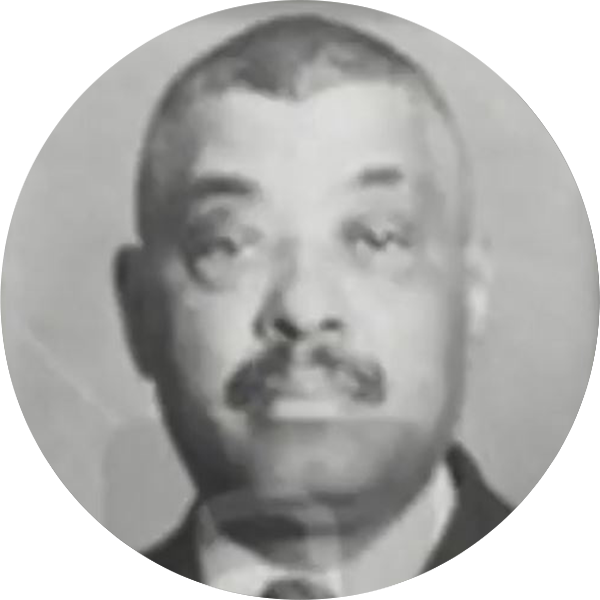
Those deaths remained part of the community’s living memory. They shaped how Black Columbians understood the gathering on the square. Although Magistrate Hayes Denton reportedly suggested that the Stephensons remain in custody for their own safety, they were unwilling to rely on that assurance. Members of Gladys Stephenson’s family sought help from prominent Black business and community leaders, including James Morton, Saul Blair, Julius Blair and others who raised the money needed to post bond for James and Gladys. They secured the Stephensons’ release and helped move them away from danger.
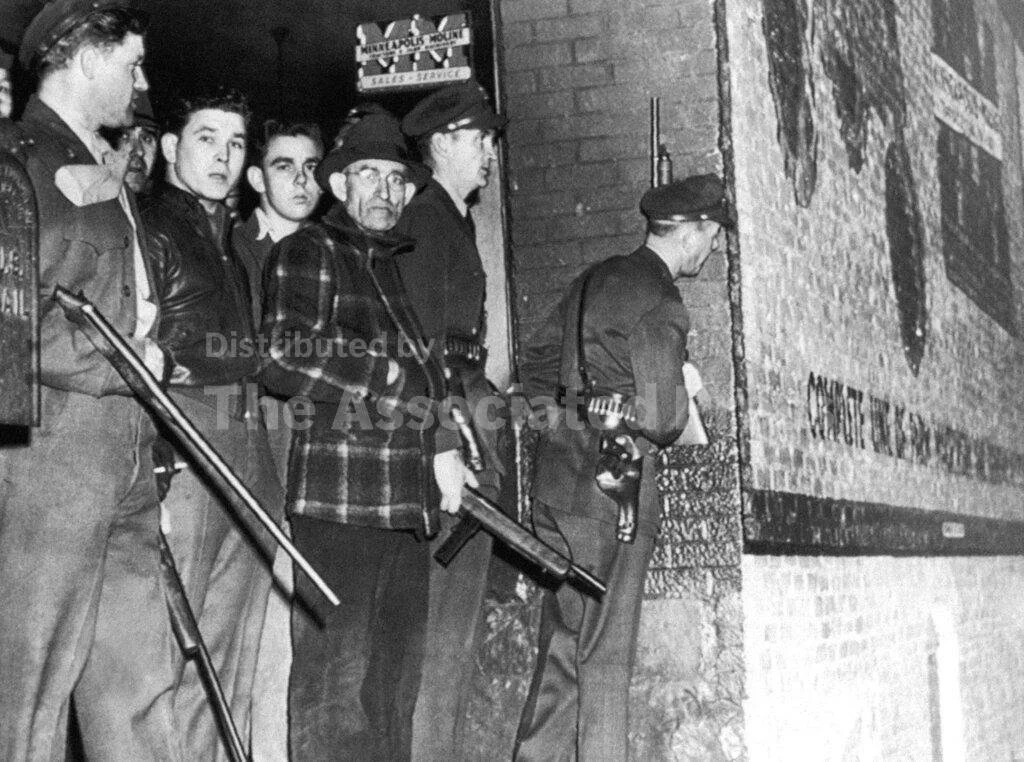
Black men, led by Black World War II veterans. took positions along the street and on rooftops. Streetlights and some business lights were shot out, making it more difficult for outsiders to enter the district unseen. The armed residents did not move toward the square. They prepared to prevent a white mob from entering East Eighth Street.
Sheriff J.J. Underwood went into the district and urged residents to disperse and put away their weapons. He also attempted to break up the white crowd near the courthouse.
Later that evening, Police Chief J. Walter Griffin and three other Columbia officers walked toward East Eighth Street. They were warned not to continue into the darkened district. The officers advanced, someone called for gunfire and shots were fired from the area.
All four officers were struck by buckshot, but none sustained life-threatening injuries.
The shooting changed the course of the night. Sheriff Underwood contacted Governor Jim McCord and requested assistance from the state.
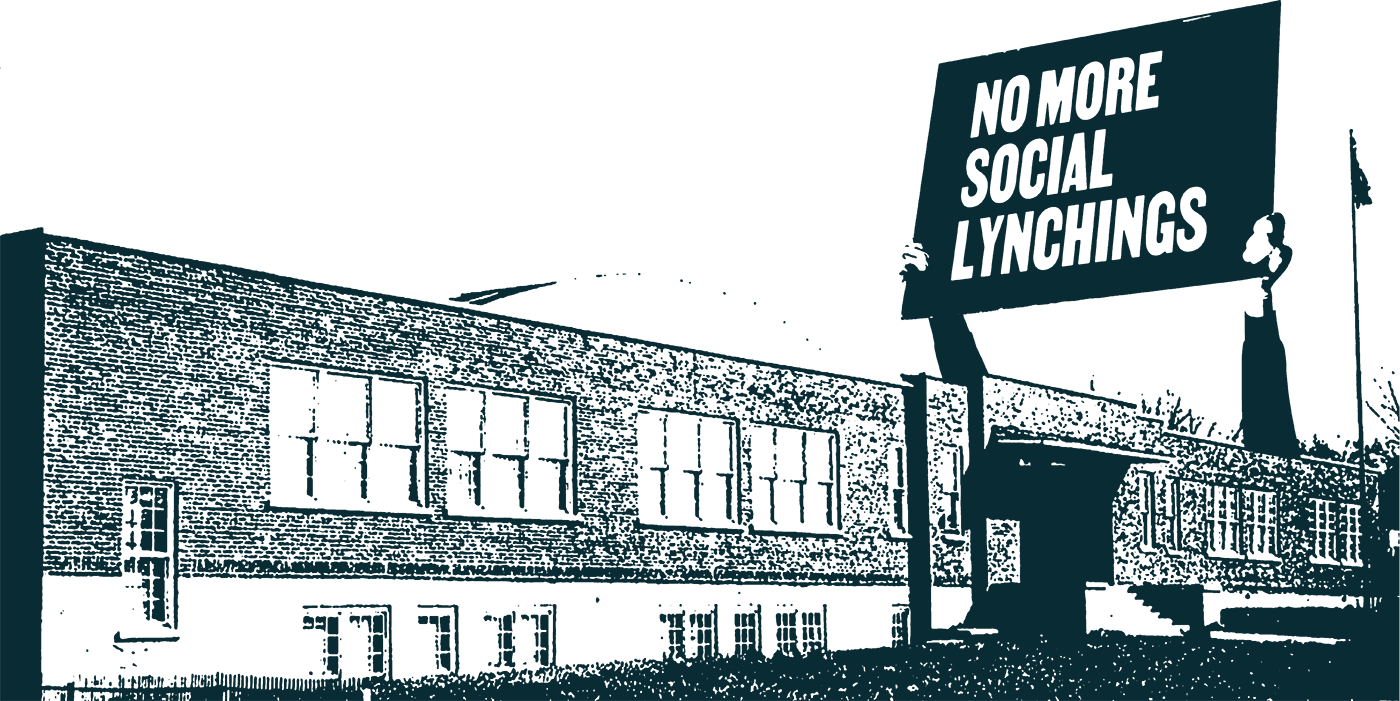
“No More Social Lynchings”
The declaration that there would be “no more social lynchings in Maury County” was made by Julius Blair, a prominent Black businessman and community leader.
The phrase captured the community’s refusal to allow the pattern of earlier lynchings to repeat itself. Black leaders secured the Stephensons’ release, helped move them out of danger and prepared to protect East Eighth Street if the threatened mob arrived.
“No more social lynchings” came to represent a larger refusal to accept racial violence, unequal protection under the law and the expectation that Black Columbians should remain defenseless.
The Raid: Destruction of “The Bottom”
Saul Blair
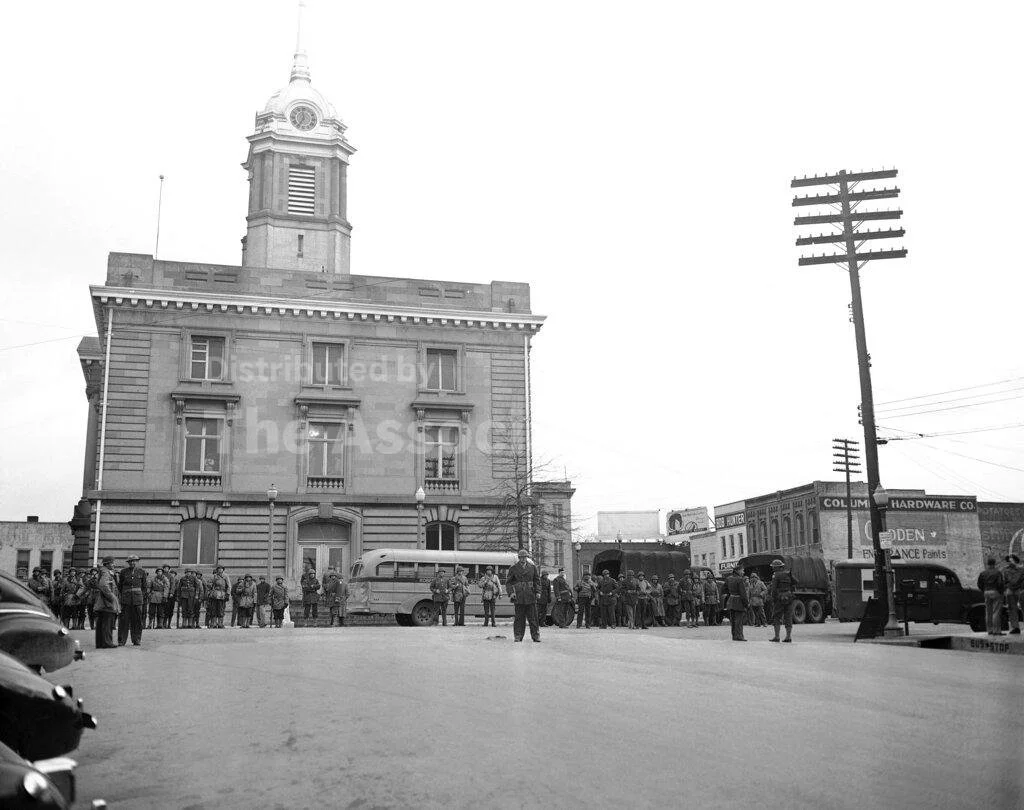
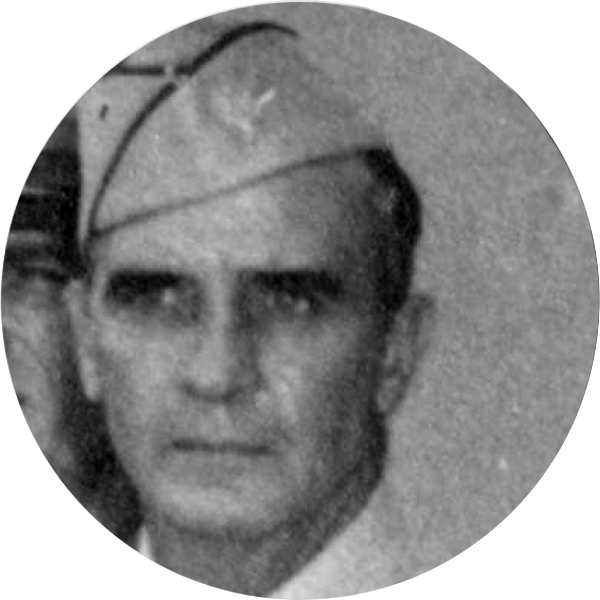
Governor McCord sent Lynn Bomar, commissioner of the Tennessee Highway Patrol, to Columbia with dozens of state patrolmen. Members of the Tennessee State Guard also mobilized under General McGavock Dickinson.
By the time state forces arrived, the immediate confrontation had largely subsided. Many of those who had gathered in East Eighth Street had dispersed after the officers were wounded. The official response, however, continued to grow.
Bomar reportedly began deputizing white civilians gathered near the square and encouraged them to obtain weapons from the local armory. The armory’s commander refused to distribute weapons to the civilians and contacted the State Guard.
General Dickinson arrived with a much larger force. Officials developed a plan to surround the district overnight, wait until daylight and then use a show of force to compel anyone remaining inside to surrender. Dickinson believed that entering the darkened neighborhood before morning could lead to unnecessary bloodshed.
The Tennessee Highway Patrol did not wait for the agreed time.
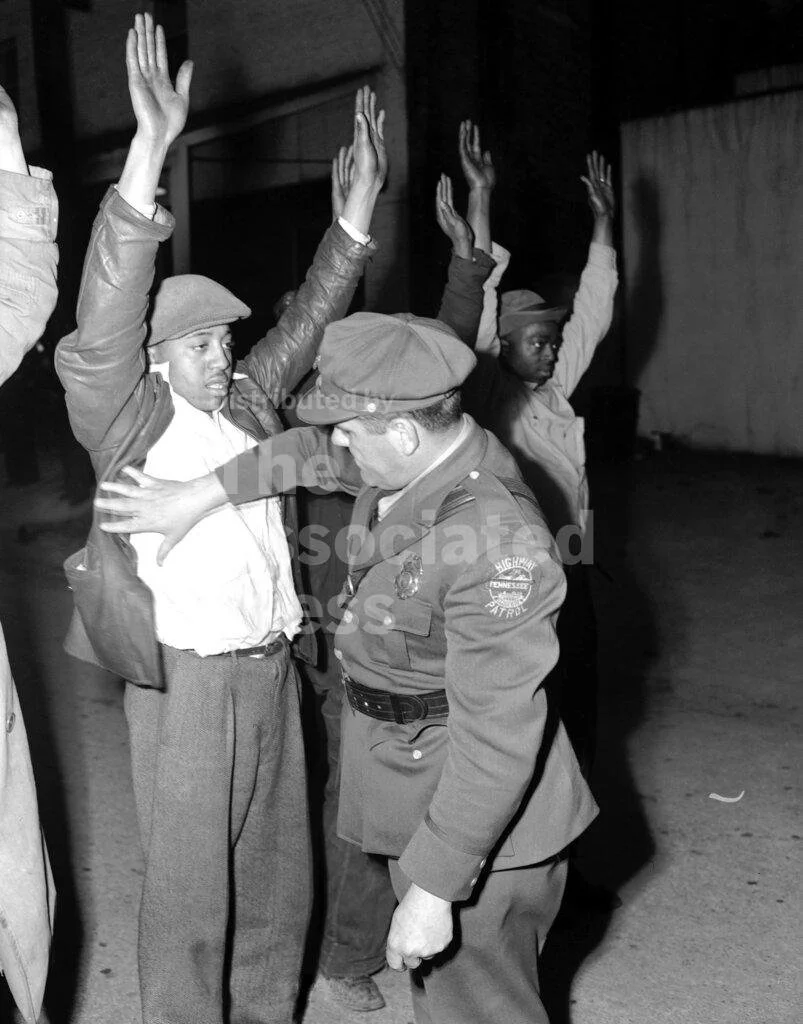
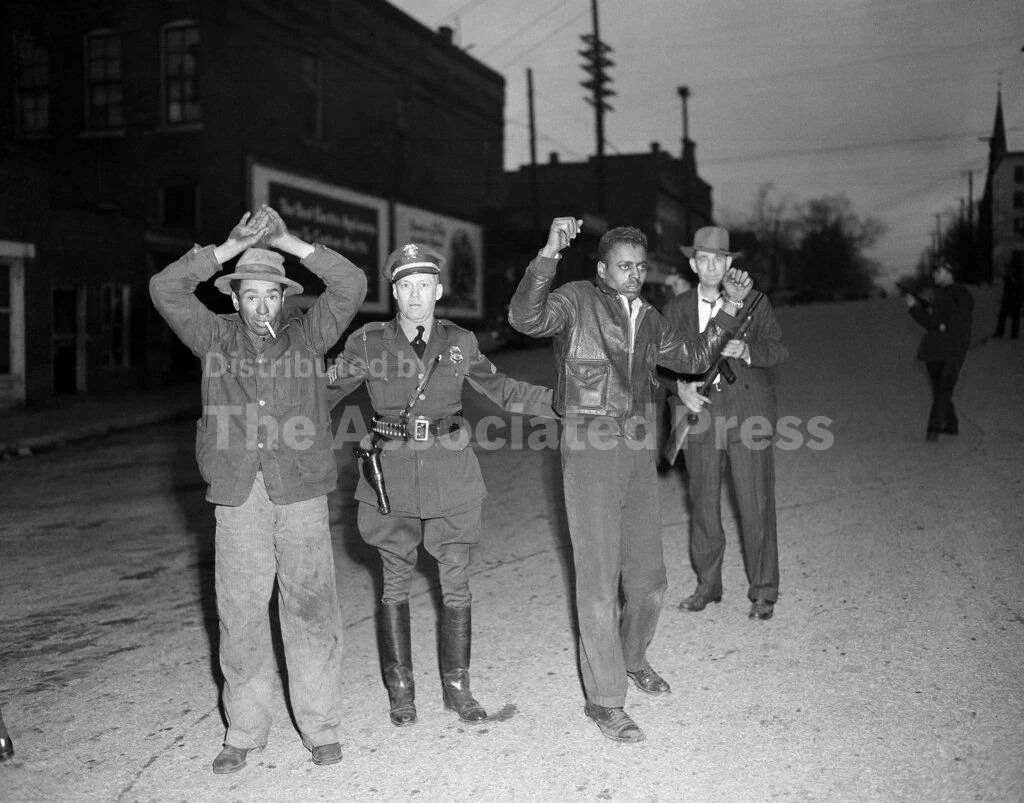
Around dawn on February 26, patrolmen began moving into Mink Slide. Dickinson later testified that the Highway Patrol had entered before the planned hour and that he saw patrolmen firing. Officers moved through the district searching homes, businesses and gathering places. They ordered people to come outside with their hands raised. At some locations, they fired through doors or into buildings before forcing their way inside. Black men were searched, lined up in the street and taken to jail. Hundreds of firearms were confiscated.
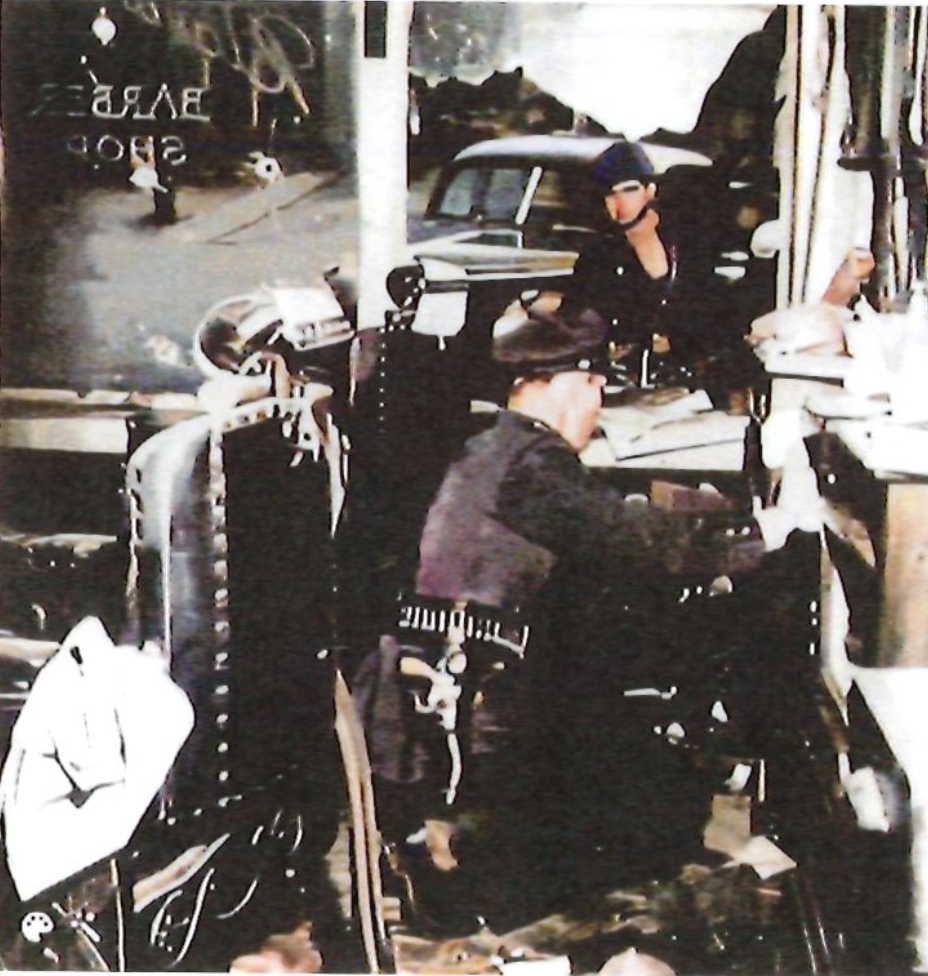
The operation reached many of the district’s most important Black-owned properties. At Saul Blair’s barbershop, officers opened fire after reporting that shots had come from inside. Lloyd “Papa” Kennedy and William “Rooster” Pillow were found hiding in the building and taken into custody. Questions about the source and sequence of the gunfire would later become central to their separate trial in Columbia.
At a Masonic lodge and dance hall, officers broke through a locked entrance and brought several men into the street. At the home of James and Mary Morton, armed men had sought shelter during the night. Morton told them to put down their guns and remain quiet. When officers entered, they woke the men at gunpoint, searched the rooms and arrested those inside. Morton later testified that when he asked why he was being arrested, an officer told him he did not know.
Morton Funeral Home was also searched. At some point during the raid, KKK graffiti was written on a casket inside the funeral home. As the raid unfolded, Mary Morton contacted the NAACP and appealed for help.
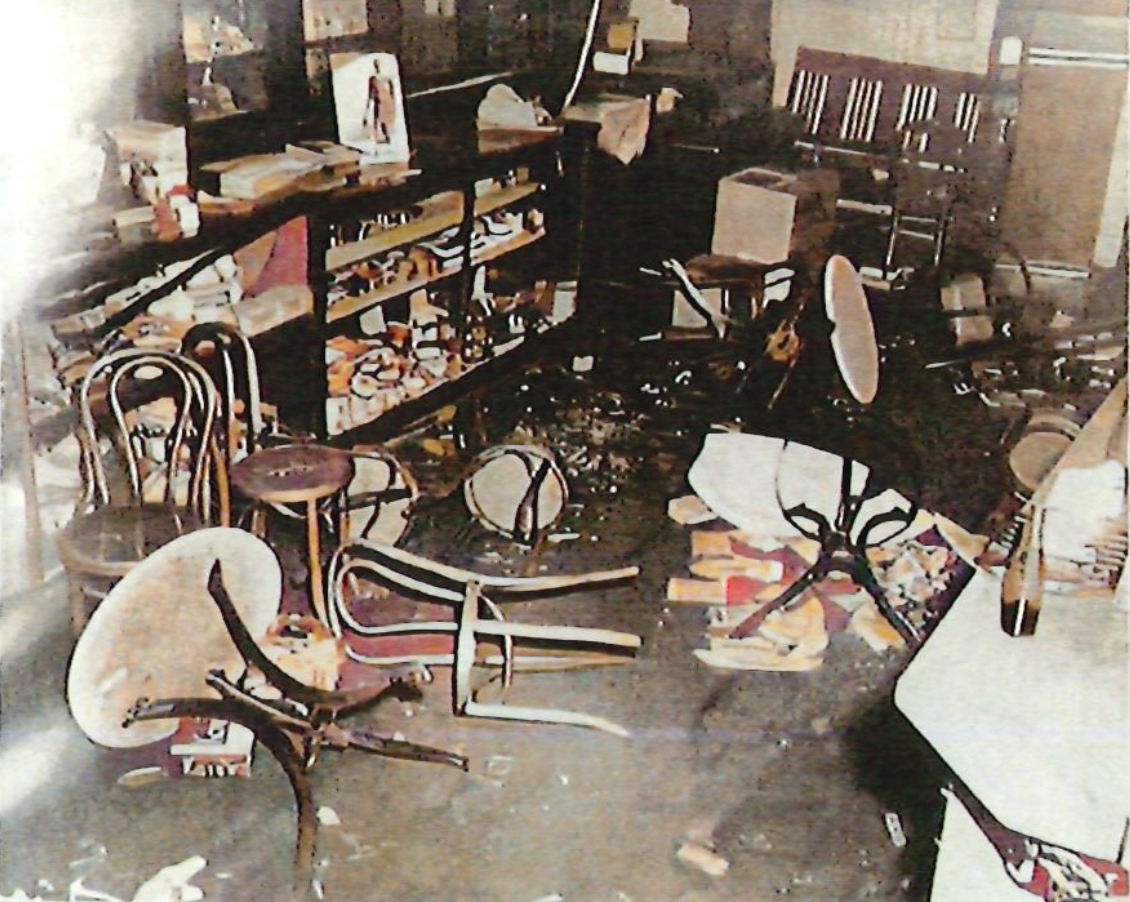
Across the district, doors and windows were broken, buildings were struck by gunfire, and homes and businesses were ransacked. Saul Blair’s barbershop was heavily damaged, and inventory at the Blair family’s drug store was destroyed. Black residents described being threatened, beaten and humiliated. Property and businesses that had taken years to build were damaged, leaving lasting harm to the economic center of Columbia’s Black community.
More than 100 Black residents were arrested. Some were marched through the streets under armed guard. Others were removed from their homes and businesses without being told what charges they faced.
Officials themselves used language that helps describe the scale and nature of the operation. In later testimony, Bomar acknowledged that he had participated in the raid “right up to my neck.” Dickinson described the state’s arrival as an “armed invasion of Columbia.”

Lynn Bomar
General McGavock Dickinson
The Aftermath: Police Custody and Trial
Photo Courtesy Tennessee State Library & Archives.
The violence continued after the raid. Those arrested were crowded into the Maury County jail, where many were held for days without access to attorneys or the opportunity to post bond. Prisoners and witnesses later described beatings and other mistreatment in custody.
Two men, James “Digger” Johnson and William Gordon, were shot by officers while in police custody. Authorities claimed that the men had reached for confiscated weapons while being questioned in a room where guns seized during the raid had been stacked. Both were critically wounded. Because the local hospital in Columbia would not treat them, they were being transported to Meharry Hospital in Nashville. Neither man survived.
Mary Morton’s appeal for help brought the NAACP into the case. A legal team that included Z. Alexander Looby, Maurice Weaver, Walter White, Leon Ransom and Thurgood Marshall challenged the treatment of the men in custody and the cases being build against them.
Among those charged following the events were business owners, ministers and community leaders, including James Morton, Saul Blair, Julius Blair and the Rev. Calvin Lockridge. One man, Tommie Baxter, died from pneumonia while in custody before the cases reached trial.
The defense argued that the defendants could not receive a fair trial in Columbia. Twenty-five men were ultimately brought to trial in Lawrenceburg, Tennessee, where an all-white jury heard the state’s case. Prosecutors alleged that the defendants had participated in or encouraged the shooting of the four Columbia police officers. The defense challenged the reliability of witnesses, contradictions in law-enforcement testimony and the lack of evidence connecting individual defendants to the gunfire.
Twenty-three of the 25 men were acquitted. Robert Gentry and John McKivens were found guilty, but a judge later granted them new trials. Due to lack of evidence, the charges against both men were eventually dropped.
Lloyd “Papa” Kennedy and William “Rooster” Pillow were not among the 25 defendants tried in Lawrenceburg. They faced separate state charges and were tried later that year in Columbia. Pillow was acquitted. Kennedy received a reduced sentence that allowed him to go free on bail.
Following the trials, charges against James Stephenson and his mother, Gladys, were quietly dropped. Neither returned to make Columbia home again.
The events that began at Castner-Knott forced the Stephensons from their community, devastated a center of Black life and placed more than 100 Black residents in custody. Yet the legal defense also produced an outcome that earlier episodes of racial violence in Columbia had not: an organized challenge to an effort to place collective blame on the people who had acted to protect their community.
Continue the Story
Watch this video to hear from James Stephenson himself about the events of 1946.
Video courtesy of Bridgett Stuart
Explore Next
The People of 1946

Thurgood Marshall in Columbia