Understanding Columbia in 1946
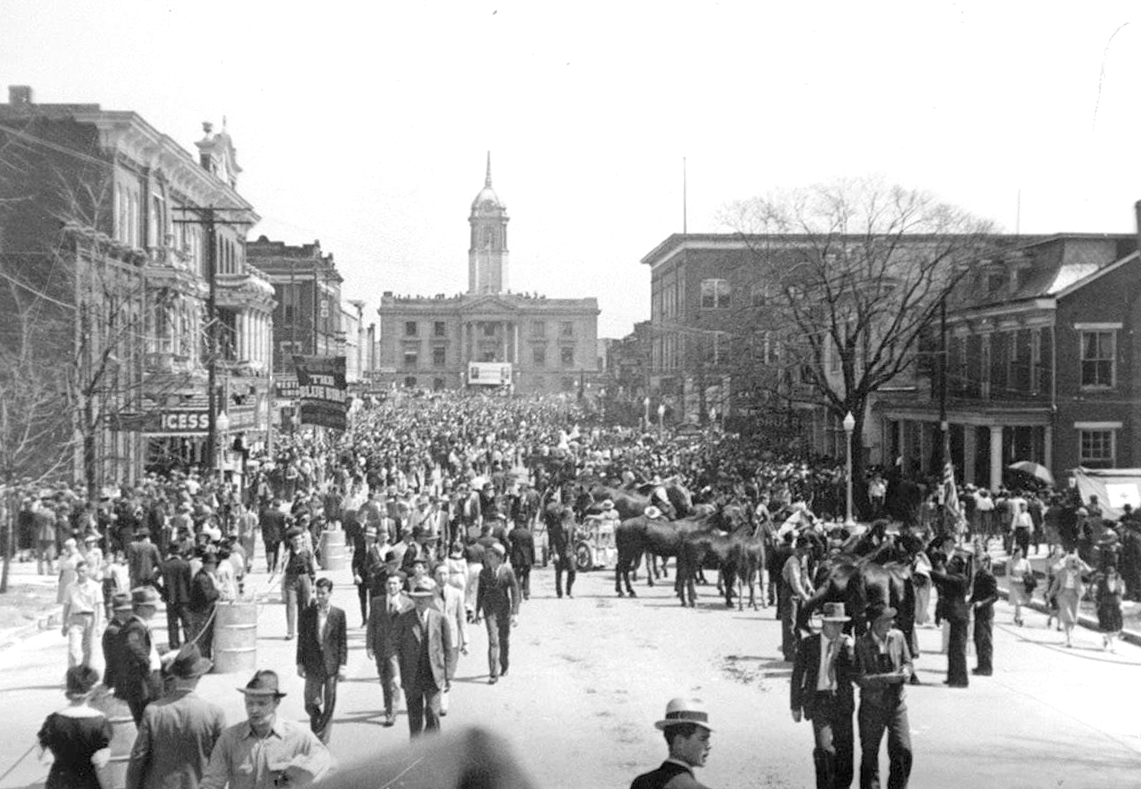
7th Street on Mule Day, 1941
Photo Courtesy Tennessee State Library & Archives.
The events of 1946 did not happen in isolation.
They grew out of a segregated city, a strong Black business community and the changing expectations of Black veterans returning home from war.
Explore the Context: Columbia in 1946 | The Black Business District | Black Veterans & World War II
Columbia in 1946
In 1946, Columbia, Tennessee, was a small county seat with a population of approximately 8,000 people—about 5,000 white residents and 3,000 Black residents. The two communities lived close to one another, but segregation shaped where people could live, work, shop, receive medical care and participate in public life.
The town square stood at the center of Columbia, with the Maury County Courthouse at its heart. Around it were stores, offices and institutions that served as the public face of the city. Yet access to those spaces was not equal. Black residents entered many white-owned businesses as customers and workers, but within a system that routinely treated them as less deserving of service, respect and protection.
The courthouse carried a particularly painful meaning for Columbia’s Black community. Henry Choate had been taken from the Maury County jail and lynched from the courthouse in 1927. Six years later, Cordie Cheek was abducted after his release from jail and murdered in Maury County. No one was convicted in either killing. Those events were not distant history in 1946; many Black Columbians remembered them personally and understood how little protection the law might provide when racial violence threatened.
White leaders often described race relations in Columbia as peaceful. But peace under segregation did not mean equality. It depended in part on Black residents accepting limits placed on their movement, opportunity and treatment. Beneath the appearance of order was the knowledge that challenging those limits could carry serious consequences.
The geography of downtown reflected that divide. Castner Knott stood on the square. Just one block away was East Eighth Street, the center of Columbia’s Black business community. The distance between the two was short, but the lives and opportunities available within them were shaped by very different realities.
The Black Business District
East Eighth Street and the surrounding area were known by several names, including “the Bottom” and Mink Slide. Extending into portions of Woodland Avenue and South Main Street, the district was an important center of business, professional life and community connection for Black Columbians.
Segregation restricted Black residents’ access to many white-owned establishments and institutions. In response, Black entrepreneurs created businesses that served needs within their own community. The district included barbershops, restaurants, stores, professional offices, social spaces and Morton Funeral Home. People came there not only to make purchases, but also to find work, exchange news, seek services and gather with one another.
The businesses gave their owners an important place in community life. Families such as the Blairs and Mortons were employers, organizers and trusted leaders. Their standing gave them both the resources and the responsibility to respond when members of the community needed help.
That role became especially clear after James and Gladys Stephenson were arrested. When Gladys’ family sought assistance, James Morton, Saul Blair, Julius Blair and others helped raise the money for their bond and worked to move them away from the threat gathering on the square. Their response reflected a broader tradition of Black business leaders acting as protectors and advocates when public institutions failed to provide equal protection.
Black Veterans and World War II
World War II changed the expectations of many Black Americans, including the veterans who returned to Columbia.
They had served a country fighting for democracy abroad while the military remained segregated and Black citizens continued to face discrimination at home. Their service made that contradiction increasingly difficult to accept.
Across the country, Black veterans returned with military training, broader experience and a stronger determination to claim the rights of citizenship. In Columbia, many of the men who gathered to defend East Eighth Street on February 25, 1946, were veterans of World War I or World War II. James Stephenson himself had recently returned from service in the U.S. Navy.
When rumors spread that a mob intended to take Stephenson from jail, veterans helped organize the community’s response. They armed themselves, took positions along East Eighth Street and prepared to prevent another lynching.
Their decision reflected a larger change taking place after the war. Black veterans had been asked to defend freedom overseas and returned home less willing to accept violence and unequal treatment in their own communities. In Columbia, that determination became central to the resistance of 1946.
Explore more
The conditions that shaped 1946 also shaped what came after. Learn how the uprising changed Columbia and helped build momentum for the Civil Rights Movement.
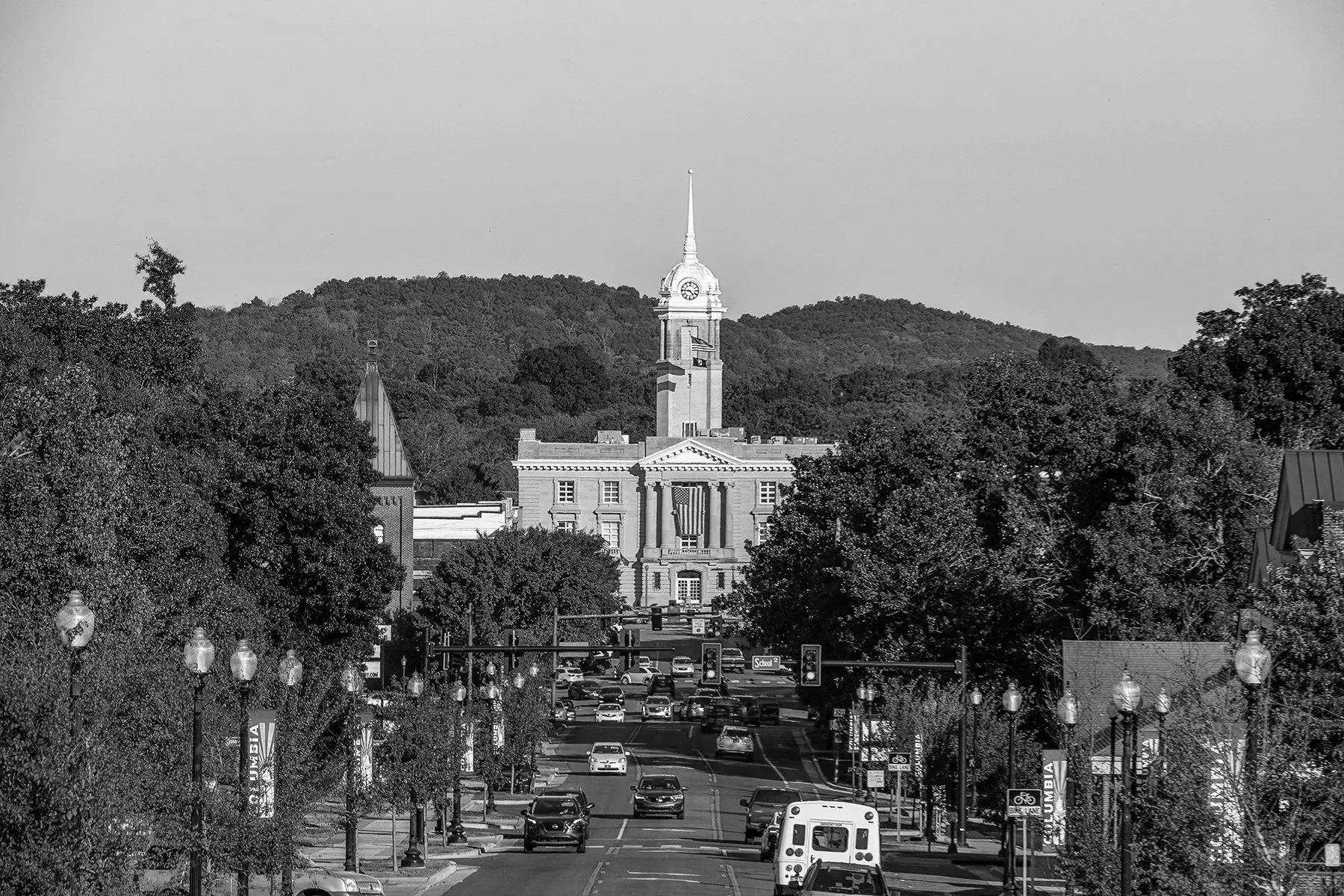
The Impact on Columbia